Do you also want access to our video library?

  • 2500 videos
  • No binding period
  • Free trial

Welcome to our blog

Yoga, training and health inspiration for you

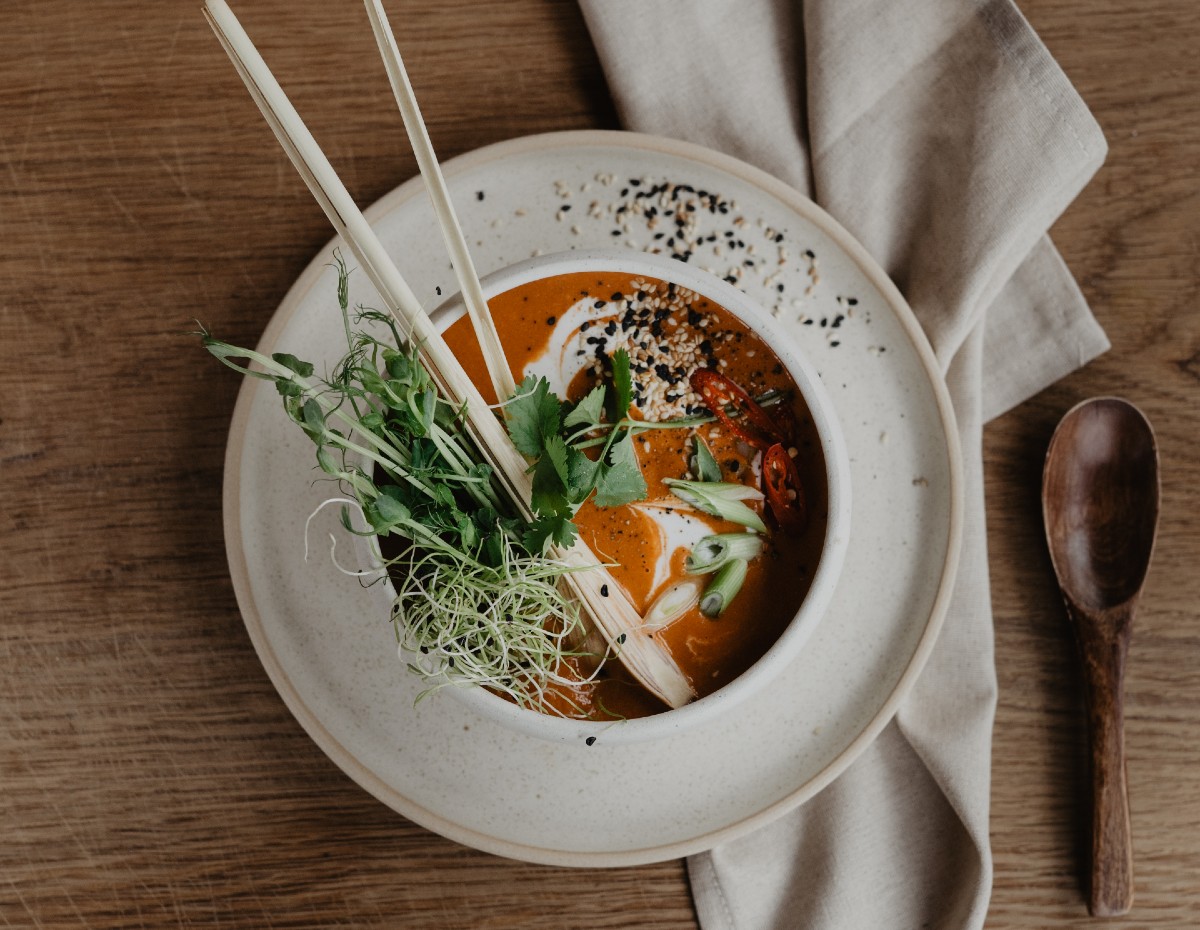
Recipe: Creamy tomato with lemongrass & lime leaves

Recipe: Creamy tomato with lemongrass & lime leaves

21 August 2022 | Av

This soup has quite a few flavours in common with a Thai red curry, yet it stays mild and doesn’t go ‘all the way’. It is a great soup for a lazy day, as you can put this soup on the table in less than 25 minutes. It is an all-round, affordable and loved by all recipe, and therefore very suitable to make for large groups.

Ingredients

Serves: 3-4

  • 2 cloves garlic, pressed
  • 1 big yellow onion, chopped
  • 2 cm fresh ginger, grated
  • 0.5 tsp sambal oelek or freshly chopped chili
  • 5 lime leaves
  • 2 stems of lemongrass, sliced once over the length
  • 0.5 teaspoon whole coriander seeds
  • 50 ml tomato paste
  • 500 ml canned tomato
  • 500 ml water
  • 150 ml coconut
  • Splash of agave syrup
  • Sea salt and black pepper
  • Optional: Handful of fresh coriander
  • Optional: Bean sprouts, garlic sprouts & sesame

Preparation

  • Glaze the onion in sunflower oil in a soup pot on medium heat.
  • Once it starts to get some colour, add garlic, ginger, sambal oelek, lemongrass, lime leaves, a little salt and coriander seeds.
  • Stir well for about 1-2 minutes and add some extra oil if needed.
  • Now add the tomato paste and fry together with the spices for another 2-3 minutes.
  • Add water and bring to a boil.
  • Let it simmer for 5-10 minutes just with the water to let the flavours truly extract.
  • Add the canned tomato and bring to a boil again and let simmer for another 5-10 minutes.
  • To finish, take the soup off the heat and remove the limes and lemongrass.
  • Add the coconut cream and blend the soup smooth with a stick blender.
  • Add more salt, pepper and sambal oelek to taste.
  • If the soup is a bit sour or ‘flat’ add a little splash of agave to make the flavour more rounded.
  • It is lovely to garnish with fresh coriander and sprouts.
  • Alternative: The soup combines well with chili, limes, ginger, and sesame seeds. Replace the tomato paste and canned tomato with butternut squash for an Asian pumpkin soup. Also, very yummy! For extra protein, you could top the soup with black lentils, cashews, or peanuts.

Mundekullas Gröna Kök – want to buy Stephanie's book?

Mundekullas Gröna Kök won the Gourmand Cookbook Awards 2021 for Best Vegetarian Cookbook in Sweden and Best Hotel Cookbook in the World. The book features more than 70 vegan and vegetarian recipes and 10 chapters on playing with flavors and textures, how to design and plant-based meal or buffet, the love for cooking farm-to-table. Buy the book here.

Read more: Inspiration & recipes from Stephanie Verstift

Yoga online to unwind and relax

Yogobe Video: f85c Yogobe Video: r9p5 Yogobe Video: t24e Yogobe Video: r9p5

To watch a full video you need to be logged in as a paying Yogobe member. Haven't tried Yogobe before? Try it for free during 14 days – get started here!

Mundekulla retreat center

Mundekulla is an ecological course and retreat center in the Småland countryside. At Mundekulla, people meet for courses, conferences and festivals, focusing on personal development, mindfulness, creativity, nature and of course beautiful nutritious food! Since its start over 20 years ago, the center has been built on sustainable principles. With traditional building methods and green energy, as well as with a focus on social justice and promoting various peace projects. The whole idea with Mundekulla is to create and co-create learning, art, music, community and health. The best thing is all the wonderful, meaningful encounters with other people. That's the core. Find out more at mundekulla.se

Open post
What is trauma yoga?

What is trauma yoga?

03 August 2022 | Av
Yogobe

Do you want to learn how yoga can help you with trauma and PTSD? Read more here!

What is a trauma?

It is an extraordinarily stressful event that often involves a threat to life or safety, but it can also be caused by situations that left you feeling overwhelmed and isolated, even if it doesn't involve physical harm.

That means that it is not the objective circumstances that determine whether an event is traumatic, but your subjective emotional experience of the event.

Trauma can affect your body in different ways

  • upsetting emotions
  • memories or memory loss
  • anxiety that won't go away
  • problem with sleep
  • tired vs. hypervigilance
  • feeling numb
  • disconnected
  • difficulty trusting other people

Yoga as a support while healing from PTSD

There are studies that show yoga as a more effective treatment for PTSD and trauma than traditional medicine. 

Even if the experience is individual, you see common denominators where unresolved traumatic stress affects the autonomic nervous system and our ability to handle stress. It changes the chemistry and structure of the brain by triggering hormonal changes, increasing the production of adrenaline and cortisol, and reducing neurotransmitters and hormones that make us feel safe and happy. This is where you can go through stages of feeling trapped in your own stressed body. While doing yoga there is a process going on that will help you reown your body, according to psychiatrist Bessel van der Kolk. Trauma-informed yoga is an evidenced-based yoga practice that can support people who are suffering from triggers caused by traumatic stress.

“At some point, the story often becomes an alibi. Many traumatized people, tell the same story over and over again. Instead of feeling things very deeply, they go through a recital of misery, which is not the same thing as psychotherapy.” – Bessel van der Kolk.

Trauma-informed yoga online – program in Swedish & English

Yogobe has together with our yoga teachers Heather Mason and Josefin Wikström, created a 6-week program to help you learn more about trauma and PTSD, and how trauma-informed yoga can support you with your trauma reactions in your everyday life.

Who is this program for?
For anyone who has gone through a trauma and is now experiencing PTSD (Post-traumatic Stress Disorder) symptoms, even if you have not yet been diagnosed but recognize a lot of the symptoms within you.

You can also find a 9-week trauma-informed yoga program in Swedish with Josefin Wikström and Eleonora Ramsby Herrera.

Read more about PTSD and trauma

Classes & lectures online – trauma-informed yoga

See all classes and lectures in our library: Trauma-informed yoga

Yogobe Video: 6px9 Yogobe Video: 3e8f Yogobe Video: p3k5 Yogobe Video: 72wr

To see a whole video you need to be logged in as a paying member. If you are new to Yogobe, try for free for 14 days – get started straight away

References:

Open post
Recipe: Millet salad – with roasted veggies, orange and almonds

Recipe: Millet salad – with roasted veggies, orange and almonds

19 July 2022 | Av

Instant happiness on a plate! This salad balances hot and cold and taste wonderful! 

Millet salad & TCM

Millet is a great gluten-free replacement of couscous. In traditional Chinese Medicine (TCM), millet is considered a cooling food that nourishes yin in our body (good in summers!) by building fluids and moistening dryness. It clears heat and eliminates toxins from the body. The zucchini and orange also have cooling qualities.

Yet, by roasting some ingredients and adding some warming ingredients like cayenne, paprika, ginger and cinnamon, we have a nice balanced salad that’s refreshing on a summer’s day, yet supportive to our digestive system.

Ingredients

2 servings

  • 50 g dry millet
  • 200 g carrots, peeled & chunky
  • 1 red bell pepper, chunky
  • 1 zucchini, sliced
  • 1 small onion
  • Handful of almonds
  • Optional: 1 tsp smoked paprika
  • Handful of flat parsley, chopped
  • Handful of rocket/rucola

For the dressing:

  • 1 orange
  • 100 ml sunflower oil
  • 1 tsp apple cider vinegar
  • 1 tsp caraway
  • 1 tsp honey
  • 1 orange, juiced
  • 2 tsp paprika powder
  • 1 tsp cayenne
  • 1 tsp grated ginger
  • 1 tsp cinnamon

Preparation

  • Roast the carrots and bell pepper with olive oil and salt in the oven at 220 degrees. Ensure that each vegetable is on its own tray, so they each have their own baking time.
  • After 20 minutes, check to see if they are golden, with a little burn here or there. Stir and continue to bake for another 10-15 minutes at 200 degrees until they are fully roasted.
  • Grill the zucchini in a hot grill or frying pan.
  • Meanwhile, boil the millet in water with salt until done.
  • Strain and rinse the excess starch out. Let the millet cool down.
  • Peel and cut 1 orange into equal wedges without the peel. Keep aside for later.
  • Squeeze the juice of the other orange into a bowl and whisk into a dressing together with the apple cider vinegar, sunflower oil, caraway, honey, cayenne, ginger, cinnamon and salt.
  • Roast the almonds for about 10-15 minutes in the oven at 160 degrees with some sunflower oil, salt and optionally smoked paprika.
  • Mix the dressing into the millet and add the vegetables and orange pieces.
  • Taste if the salad is juicy and flavorful. Add some more oil, vinegar or salt to taste.
  • Garnish with parsley, rocket and the roasted almonds.

Serving:
Very nice on a summer buffet with different salads, a vegetarian grill party or for a picnic in the park. Make sure you store the almonds separately and only add them just before serving. This way, they’ll stay nice and crispy. Combines well with fresh counterparts, like a green salad with butter lettuce, spring onions, herbs and cucumber.

Want to buy Stephanie's book?

Mundekullas Gröna Kök, won the Gourmand Cookbook Awards 2021 for Best Vegetarian Cookbook in Sweden and Best Hotel Cookbook in the World. The book features more than 70 vegan and vegetarian recipes and 10 chapters on playing with flavors and textures, how to design and plant-based meal or buffet, the love for cooking farm-to-table. Buy the book here

More recipes and inspiration from Stephanie Verstift

Yoga classes online to do before the lunch

Yogobe Video: 5dw6 Yogobe Video: fw68

To watch a full video you need to be logged in as a paying Yogobe member. Haven't tried Yogobe before? Try it for free for 14 days – get started here!

Mundekulla retreat center

Mundekulla is an ecological course and retreat center in the Småland countryside. At Mundekulla, people meet for courses, conferences and festivals, focusing on personal development, mindfulness, creativity, nature and of course beautiful nutritious food! Since its start over 20 years ago, the center has been built on sustainable principles. With traditional building methods and green energy, as well as with a focus on social justice and promoting various peace projects. The whole idea with Mundekulla is to create and co-create learning, art, music, community and health. The best thing is all the wonderful, meaningful encounters with other people. That's the core. Find out more at mundekulla.se
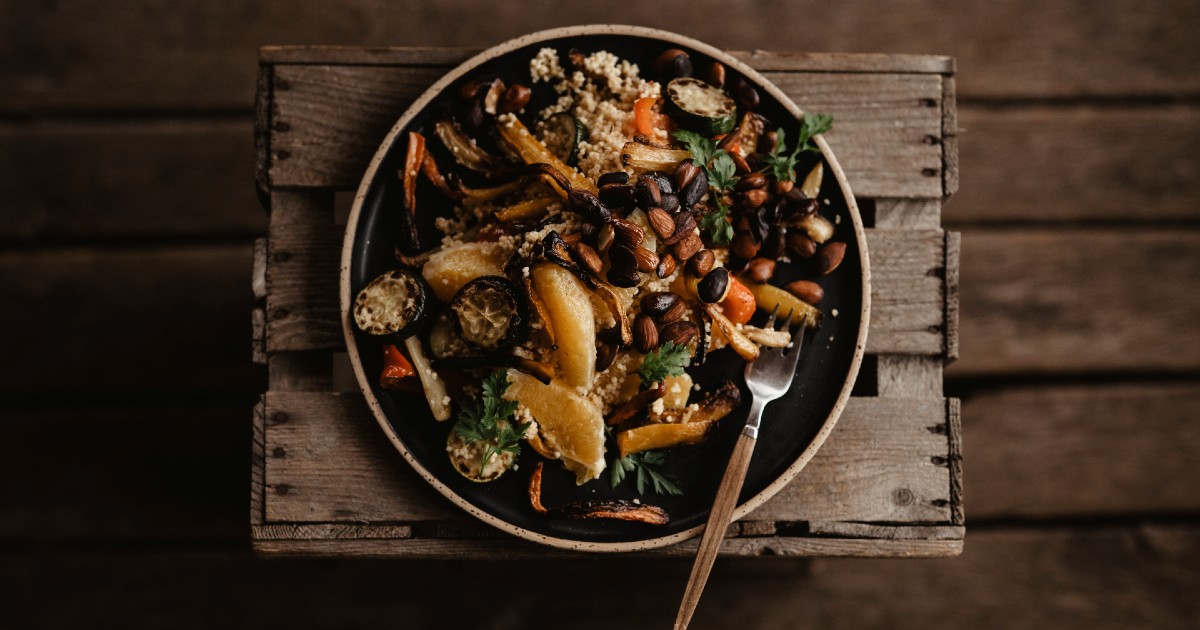
Photo: Elaine Lilje

Open post
Back to Basics – How to eat sustainable, plant-based and delicious?

Back to Basics – How to eat sustainable, plant-based and delicious?

24 May 2022 | Av

Curious about healthy, sustainable and plant-based foods? Let me guide you through the basics of healthy and sustainable food and give you my best tips for cooking tasty, and healthy, food!

Inspiration to healthy eating

Many of us love to live a life that feels healthy and balanced, with care for ourselves and the environment. That is joyful, inspiring and nourishing to our wellbeing. Food can be such a beautiful way to work with all of that, and at the same time it can sometimes feel challenging too! May this blog series, where you'll get recipes and learn more, be an inspiring contribution to your personal journey and exploration. Whether you are new or seasoned on this topic.

Food that help you to a sustainable and healthy life

What to eat? How to cook for ourselves and others? How to make sure you’re getting all the nutrition you need? For me, when I first started cooking vegetarian and vegan, a whole world of possibilities opened up. While I expected to feel restricted by a more plant-based kitchen, it rather felt like the opposite: it was a doorway to a whole new world of ingredients, flavors and ways of cooking. Did I mess up sometimes during my experiments? Sure! And still do occasionally. Did I discover delicious and sustainable jewels along the way? Oh yes! Majority of the time. Before we dive into more in-depth topics, let’s start with some basics.

Healthy and sustainable foods

  • Plant-based meals: Whether you choose vegetarian or vegan, eating more plant-based meals is good for our bodies and for the environment. Filled with minerals, fibers and vitamins.
  • Organic ingredients: Grown on healthy land and soil, with limited or no use of pesticides, artificial fertilizers or genetic modification.
  • Local and seasonal produce: Working with local and seasonal produce is a great way to reduce transport emissions, support local farmers and eat in line with the season.
  • Fair trade: Products that are made with dignity and a better income for the people who produce them. Especially important in certain sectors like cacao, coffee, banana, etc.
  • Ecological products: Ecological products can include being organic, however ecological points more towards how the products are produced, processed, and packaged. For example, with recyclable packaging, green energy, no waste policies, and so on.

Photographer: Elaine Lilje


5 tips for creating nourishing and delicious plant-based meals

  • Get the full picture.
    For a healthy plant-based meal, look at the full picture of all ingredients. I usually like to take the raw food pyramid as a base (also for cooked foods): Vegetables and greens as the base, grains or starches as the next level, followed by proteins. Then fats and herbs and spices in the top. Don’t forget those healthy fats! They also play an important role. You could think of seeds, avocado or extra virgin olive oil.
  • Become friends with plant-based proteins.
    Proteins are important building blocks for our body, and they help us to feel satisfied and full after a meal. Good protein sources are legumes such as beans, lentils and peas. You can also use nuts, almond and seeds. sprouts, tofu, tempeh and quinoa. If you eat vegetarian foods, you can add eggs, thick yogurt and cheese to the list. With ‘becoming friends’ with your ingredients you’ll know better how the ingredient responds, what other ingredients they like and what brings out the best in them.
  • Experiment!
    Many of the plant-based proteins are either dried or frozen, and therefore easy to store and use when you feel inspired or when you need them. What happens if you use the ingredients a little differently than before? White beans to make a humus? Tofu in a creamy tomato sauce?
  • Discover the wonders of umami.
    Umami is considered the fifth base flavor in the Japanese kitchen and i s often associated with meat, however, there are many ways to bring umami into a plant-based meal. Through ingredients such as fermented vegetables like sauerkraut or kimchi, soy sauce, sun-dried tomato, mushrooms, miso, smoked paprika. But also through cooking techniques like smoking, grilling or making pickles. At best, umami is subtle and well-balanced. It should be used in moderation, same as with a good perfume.
  • Be prepared to eat a fantastic meal and also be prepared to fail!
    I love to think up new ideas in my head and then see how they work out in the kitchen. Whether it turned out delicious or not, I learned just as much! A bit of laughter, compassion and curiosity are some of the best ingredients.

Recipes & inspiration

I wish you beautiful cooking! In the blog her at Yogobe you'll also find one of my favorite recipes for early spring: Lukewarm Gnocchi with broccoli, spinach, radish and tarragon. The next part of the series is coming in June – stay tuned!

Book (in Swedish) – Mundekullas Gröna Kök

Mundekullas Gröna Kök won the Gourmand Cookbook Awards 2021 for Best Vegetarian Cookbook in Sweden and Best Hotel Cookbook in the World. The book features more than 70 vegan and vegetarian recipes and has 10 chapters on playing with flavors and textures, how to design and plant-based meal or buffet, the love for cooking farm-to-table.

In May, you find a great price for the book – buy it here

You can also follow my kitchen adventures on Instagram: @stephanie.verstift

Photographer: Elaine Lilje

Mundekulla – what kind of place is that?

Mundekulla is an ecological course and retreat center in the Småland countryside, in Sweden. At Mundekulla, people meet for courses, conferences and festivals, focusing on personal development, mindfulness, creativity, nature and of course beautiful nutritious food!

Since its start over 20 years ago, the center has been built on sustainable principles. With traditional building methods and green energy, as well as with a focus on social justice and promoting various peace projects. The whole idea with Mundekulla is to create and co-create learning, art, music, community and health. The best thing is all the wonderful, meaningful encounters with other people. That's the core.

Read more at: mundekulla.se

Meditations to appreciate the food even more

Yogobe Video: rk75 Yogobe Video: t6k8 Yogobe Video: f85c Yogobe Video: 4s5p

To watch a full video you need to be logged in as a paying Yogobe member. Haven't tried Yogobe before? Try it for free during 14 days – get started here!

Photographer: Elaine Lilje

Open post
Recipe: Lukewarm gnocchi with broccoli, spinach, radish & tarragon

Recipe: Lukewarm gnocchi with broccoli, spinach, radish & tarragon

02 May 2022 | Av

Gnocchi is one of my favorites. The mushy starchy texture is delicious and has more flavor than pasta. You can make me happy with gnocchi any time of day or year! This recipe has spring and summer vibes with lots of fresh greens and roasted radish.

Ingredients

Main dish for 2 persons

  • 200 g gnocchi
  • 10 radishes, in halves
  • Bunch of spring onions, whole
  • 100 g green peas (fresh or frozen)
  • 1 broccoli, in chunky pieces
  • 100 g fresh baby spinach
  • Salt and fresh black pepper

Dressing

  • Olive oli
  • Sea salt
  • Zest and a little juice of 2 lemons
  • Handful of fresh tarragon, chopped

Preparation:

  • Grill the broccoli in a grill or frying pan for 5-10 minutes until golden and a little charred edge here or there. Also grill the radishes and whole spring onions (or add the spring onions thinly sliced).
  • Boil the gnocchi and the green peas in water with some salt. Whilst that is cooking combine some olive oil, salt, lots of lemon zest, a tiny splash of lemon juice and freshly chopped tarragon to make a lemony sweet herb dressing.
  • Once the gnocchi is ready, combine all the ingredients together. Add the dressing and grind some black pepper over the dish.
  • Put on your summer hat, find a nice spot in the sun and get ready to enjoy!
  • Tips: Instead of tarragon you can also use flat parsley, dill or chives. A wonderfully tasty and colourful add-on are caramelized or pickled chioggia beets. Instead of gnocchi this dish also works well with pasta or on top of a creamy potato mash with chives.
  • Serving: For extra protein you could add a butter bean dip, roasted almonds or a simple salad with beans or sprouts on the side. Vegetarian add-ons could be soft-boiled eggs, parmesan or goat cheese.

Book: Mundekullas Gröna Kök

Mundekullas Gröna Kök won the Gourmand Cookbook Awards 2021 for Best Vegetarian Cookbook in Sweden and Best Hotel Cookbook in the World. The book features more than 70 vegan and vegetarian recipes and has 10 chapters on playing with flavors and textures, how to design and plant-based meal or buffet, the love for cooking farm-to-table.

In May, you'll get to buy the book to a reduced price – buy it here!

Read more from Stephanie and Mundekulla

Yoga classes to enjoy before the lunch/dinner

Yogobe Video: 7s9k Yogobe Video: 38tr Yogobe Video: r9p5 Yogobe Video: 5dw6

To watch a full video you need to be logged in as a paying Yogobe member. Haven't tried Yogobe before? Try it for free during 14 days – get started here!

Photographer: Elaine Lilje

What is Mundekulla?

Mundekulla is an ecological course and retreat center in the Småland countryside, in Sweden. At Mundekulla, people meet for courses, conferences and festivals, focusing on personal development, mindfulness, creativity, nature and of course beautiful nutritious food!

Since its start over 20 years ago, the center has been built on sustainable principles. With traditional building methods and green energy, as well as with a focus on social justice and promoting various peace projects. The whole idea with Mundekulla is to create and co-create learning, art, music, community and health. The best thing is all the wonderful, meaningful encounters with other people. That's the core. Read more at: mundekulla.se

Open post
How to build your endurance

How to build your endurance

29 January 2022 | Av

What exactly is endurance and what does it mean for your body? Endurance and cardio training are connected to different systems in the body, and we train them in different ways – keep up when I sort out the concepts!

The difference between cardio and endurance

Many people think that endurance and condition are the same but this is not true, you also train them in different ways. Endurance is tied to the nervous system and muscles, while cardio training is primarily tied to the heart. A combination of both of them is fantastic for the body – being enduring and having good condition makes you both fast and enduring/tough.

Endurance training is often specific, when for example a cyclist needs to train endurance, they must train close to the branch – ie cycling. So to be persistent in an area, you need to train in the area where the right muscles are trained.

Cardio training, on the other hand, can be trained in different ways and with different exercises, which train the heart and lungs.

Build strength and endurance

When I talk about being strong and enduring, I mainly mean being able to work for a long time without feeling that you run out of energy. When I do strength training or run intervals, I want to be able to perform the entire workout without feeling the need to take a break. For me, this is to be strong and enduring.

Benefits of exercise & movement

  • You feel more alert and overall healthy. As the body becomes more relaxed through physical activity, your experience of stress decreases.
  • Job, school, yes the whole everyday life usually works better as the ability to concentrate is improved during physical activity.
  • Regular loads and shocks improve the skeleton and make it easier for you to stay injury-free, etc.
  • The effectiveness of the immune system improves and you become less susceptible to infections.
  • I experience that I feel happier and as a better version of myself when I move regularly. Try and find out what it means for you!

Finally, all the movement that is actually done is good. Movement should be fun because then it will be done. Becoming strong and enduring does not happen in one day – it requires continuity of training. Let the process take time and enjoy the journey. I hope you want to try my classes and give yourself a gift of movement!

Exercise online – for endurance in everyday life

Yogobe Video: 8x6z Yogobe Video: 6bc7

video id: /s8tv

Yogobe Video: 6zsh

To watch a full video you need to be logged in as a paying Yogobe member. Haven't tried Yogobe before? Try it for free during 14 days – get started here!

Open post
Five mindfulness tips to cope with stress in everyday life

Five mindfulness tips to cope with stress in everyday life

20 December 2021 | Av

Do you think about the past and the future, more often than being here and now in the present moment? You are not alone! This is how our brains are evolutionarily created. But to be happier, we also need to be more present. Therefore, I will give you five tips on how you can become more present in your everyday life!

Feel better by practicing presence

From an evolutionary perspective, it has benefited us as a species to have a mind that not only focuses on the present, but that also wanders between the past and the future. In this way, we have been able to anticipate dangers and learn from mistakes.

Today we know that the ability to be in the present moment is linked to positive emotions, while living too much in the past or the future creates feelings of for example anxiety, stress and depression. By practicing mindfulness, we can become calmer and feel better.

Tips for more mindfulness and presence in everyday life

  • Do not use your mobile phone as an alarm clock. When we start the day with the mobile phone in our hands, it often leads to a reactive behavior. We start to react and act on the flow on social media, the notifications, the email and other inputs we received during the night. Starting the day like this, it is unfortunately easy for us to continue the reactive patterns for the rest of the day.
  • Create pleasant morning routines. How we start the day often affects how the rest of our day will be. Try to have some activity in your morning routine where you consciously try to be present with your attention and your senses, for example in the shower, when brushing your teeth or when you drink your morning coffee.
  • Do one thing at a time. Doing many things at the same time is impossible, so what we do when we multitask is that we change focus, which makes us inefficient and stressed. Switching between different focuses makes us feel divided and not present in what we do.
  • Pay attention to your surroundings or your body. To consciously direct attention to trees, plants or the sky can, according to studies, create a feeling of presence, reverence and space. You can also choose to consciously direct your attention to your body, such as your feet, how it feels to stand or walk, etc.
  • Pay attention when you have a nice moment. "Ah now I have a good time." It is easy for the gold nuggets to pass in everyday life without us noticing them. But they are far too precious to pass unnoticed!

Mindfulness program at Yogobe – Explore mindfulness

Want to practice mindfulness more in depth? Join our Explore mindfulness program. Yoga and mindfulness teacher Eleonora Ramsby Herrera guide you through six weeks of different kinds of mindfulness practice.

Mindfulness online to stress down

Yogobe Video: 7z3r Yogobe Video: 86hr Yogobe Video: 84es Yogobe Video: 4x2r

To watch a full video you need to be logged in as a paying Yogobe member. Haven't tried Yogobe before? Try it for free during 14 days – get started here!

Open post
Keep the mood up during the dark season – best advice from the psychologist!

Keep the mood up during the dark season – best advice from the psychologist!

25 November 2021 | Av
Yogobe

How do you stay alert and happy during the dark season? The American psychology researcher Kari Leibowitz traveled to Tromsø in northern Norway to find out how they could be so brisk and not particularly low on energy at all. Here are her best tips!

Mindset for health and well-being during the winter

Kari Leibowitz is a researcher in psychology, studying which mindsets that increase health and well-being. She was interested in how it could be that seasonal depressions were lower than one might have imagined in Tromsø – which is so far north that the sun is never seen from the end of November to the end of January. Kari belongs to Stanford University in California, where many people go to get the chance to see the sun during winter. What was it that made the Norwegians stay alert and happy without fleeing the country?

"Why would we be depressed during the winter" she got as an answer when she asked the residents. She realized that the most important factor was the mindset. Not that you trick yourself into liking winter, but that you actually appreciate the season and all that it entails. Kari's research answers are from her studies between 2014 and 2015, but surely they are just as relevant to us, even here in Sweden?

Why the people of Tromsø feel good in the darkness of winter

  • They see the winter as something to appreciate and enjoy, not something to endure. In other words, they have a different perception of the cold weather and dark times than Kari first thought.
  • They celebrate the things they can only do in the winter. They cannot wait for the ski season to start.
  • Being outside is always good for the mood, and the people of Tromsø continue to get out, regardless of the weather conditions. The old cliché "there is no bad weather just bad clothes" is definitely applicable here.
  • The Norwegian word "koselig" (cozy) is a health promoter! Kari saw that peoples' ability to "have the best part of Christmas all the time, but without stress" did well. That is, they lit candles and fires, drank hot drinks and cuddled in soft, comfortable blankets. Kari emphasizes the social aspect of the coziness too. So enjoy cuddling up with your family or friends on the couch watching movies, playing games, talking or enjoying good food.
  • Tromsø has several festivals and activities that create a sense of community.
  • Finally, Kari was amazed by the fact of how beautiful it could be in the middle of winter. Personally, Kari thought that everyone loved summer the most, but she heard the inhabitants talking about the beauty of nature and she saw it with her own eyes. Appreciating the beauty of the moment became an important key of feeling good even in the darkness.

Social contexts important for well-being

Kari considers that there are other aspects of the culture that may be behind the health benefits, which you may not have in other places that are dark most of the fall and winter. She saw that the small Norwegian municipalities have strong social ties, something that is important for our health regardless of the season. 

This is what we can do today to feel better during the dark season

What Kari brought home to the States, is that it can be difficult to get the same good feeling in the dark part of the year when there are no ski tracks outside the window and when people talk in negative terms about the darkness. When it is dark and grey, and not white of snow and coziness, can we still keep our energy up? We can all find things we appreciate, like taking a walk with a friend, drinking something hot wrapped in a cuddly blanket or if it's snow outside – going out and playing like a child.

It may not look so tempting at first if it is stormy or biting overcast, but put on warm weather-resistant clothes and get out to get fresh air, it makes us more alert. If you have the opportunity to go outside when it is still light, if you do not live in the far north, do so, but otherwise it is good to get out regardless of the circumstances.

The most important of all according to Kari is not to follow the negative spiral of weather talk, but to focus on what makes you feel good.

The text is inspired/facts from Fast Company: "The Norwegian Secret To Enjoying A Long Winter" and Karis' own text on The Atlantic: The Norwegian Town Where the Sun Doesn't Rise

Read more about what makes your mood in balance

Stay cozy and energized in the winter – online classes for your wellbeing

Yogobe Video: p7x6 Yogobe Video: 7z3r Yogobe Video: t6d9 Yogobe Video: sr57

To watch a full video you need to be logged in as a paying Yogobe member. Haven't tried Yogobe before? Try it for free during 14 days – get started here!

Open post

Search

Categories